
What is Urogynecology?
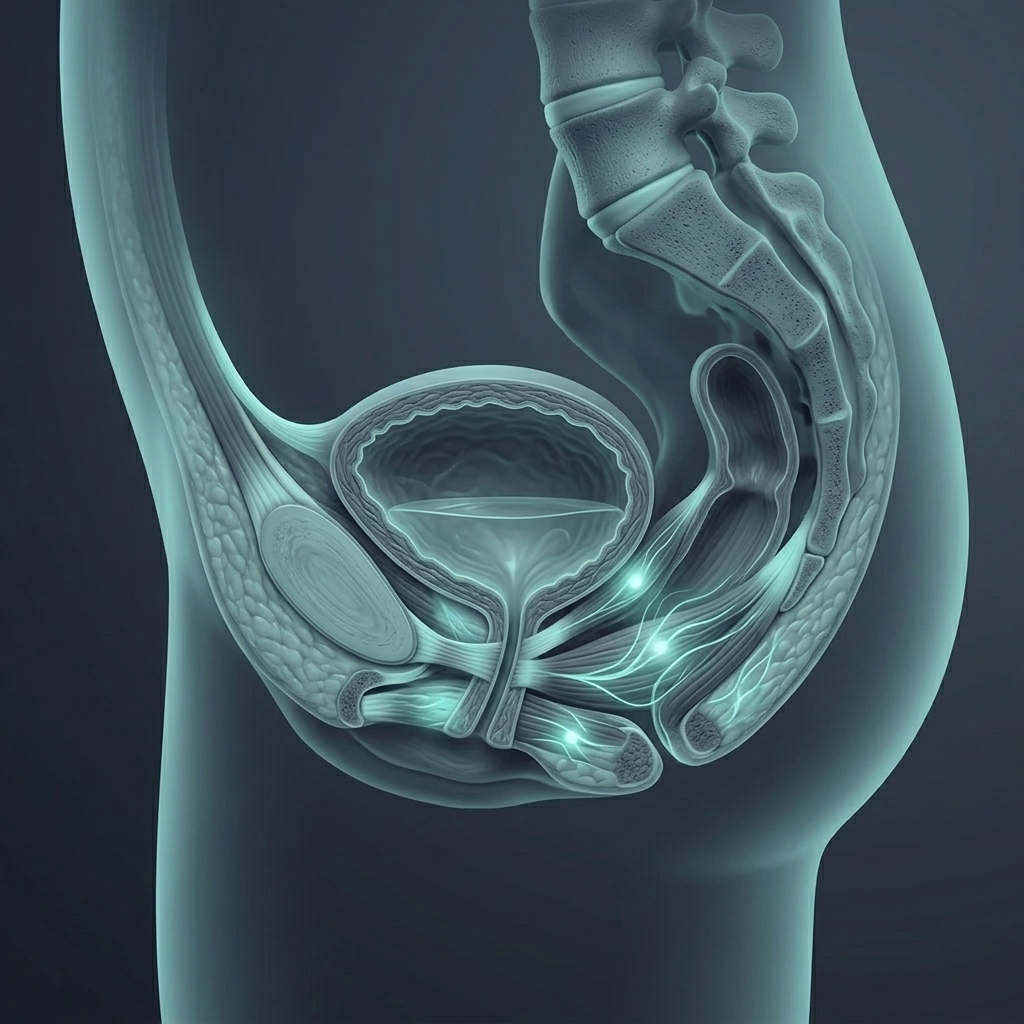
Urogynecology is a medical subspecialty concerned with the diagnosis and treatment of pelvic floor dysfunctions in women, such as urinary incontinence, bladder prolapse, and uterine prolapse. The pelvic floor is a network of muscles and connective tissues that support the organs within the pelvic bone (bladder, uterus, intestines).
Common Conditions
- Urinary Incontinence (Stress Incontinence): Involuntary urine leakage during coughing, sneezing, laughing, or exercise.
- Urge Incontinence: Involuntary urine leakage with a sudden, strong urge to urinate, often before reaching the toilet.
- Pelvic Organ Prolapse: Prolapse of the bladder (cystocele), uterus (uterine prolapse), or intestines (rectocele) into the vagina.
- Overactive Bladder: Frequent urination and sudden urge to urinate.
Treatment Options
A personalized treatment plan is created based on the patient's complaints, examination findings, and expectations. Treatment options include:
- Conservative Treatments: Pelvic floor muscle exercises (Kegel exercises), lifestyle modifications, and bladder training.
- Pharmacological Treatment: Used particularly in cases of overactive bladder and urge incontinence.
- Surgical Treatments: Sling surgeries (TOT, TVT) for urinary incontinence and vaginal or laparoscopic repair surgeries (e.g., sacrocolpopexy) for organ prolapse are successfully performed.