
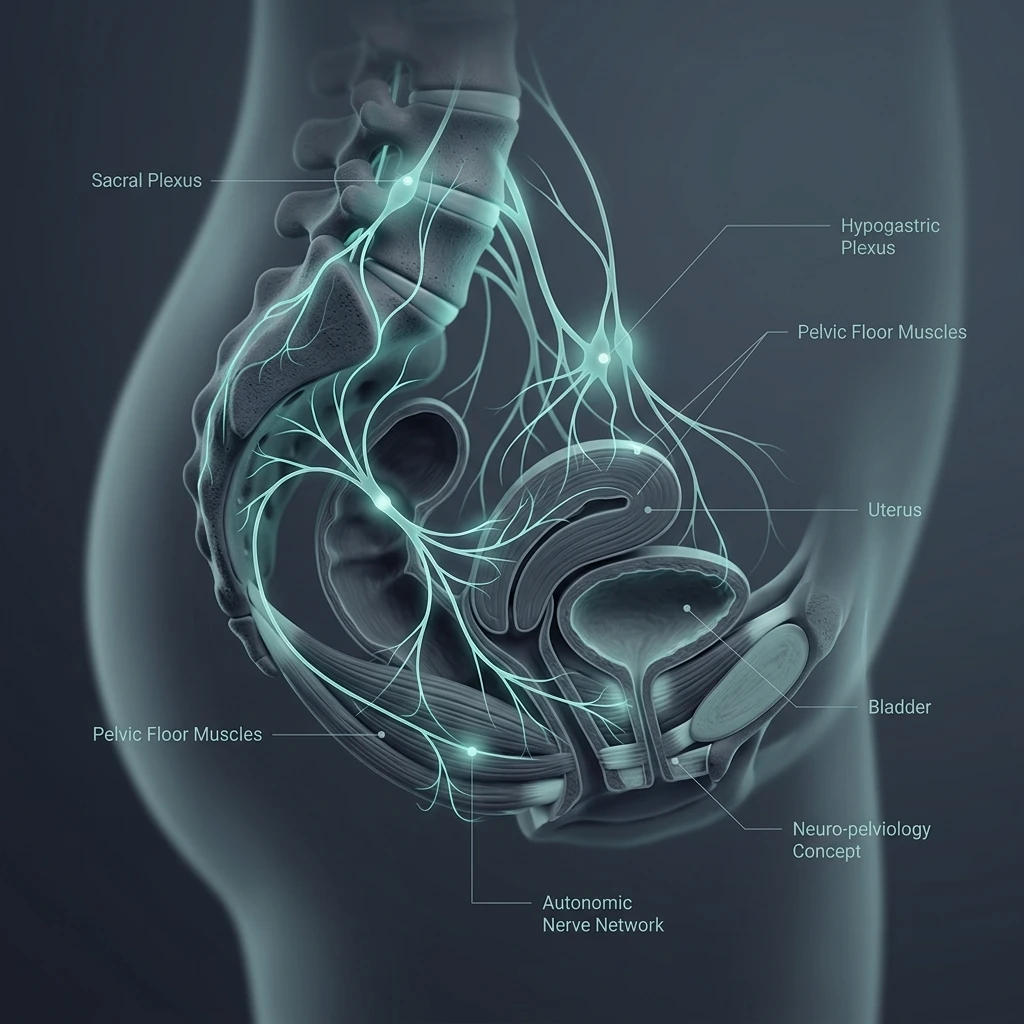
Nerve Compression — Symptoms of Functional Loss
Nerves located in the pelvic region and related diseases are among the areas of interest of neuropelviology. Symptoms of nerve compression or functional loss include:
- Persistent pelvic pain
- Urinary incontinence
- Constipation
- Painful sexual intercourse
- Frequent urination
- Pain during defecation
- Gait disturbances
- Posterior leg-heel pain
- Lower back pain
- Leg pain
- Osteoporosis in the legs
- Loss of sensation in the legs
- Inability to sit
- Inability to cross legs
- Loss of sensation in one leg compared to the other
- Hip drop to one side while walking
- Leg dragging
- Non-healing bedsores on the legs
- Leg-groin pain starting shortly after waking up
How is it Understood in Women or Men?
The cause of your persistent lower back and leg pain may not be a herniated disc.
- Foot dragging while walking, or weaker hip-leg muscles on one side, can be a sign of nerve compression
- Leg pain that subsides with lying down or rest can be a sign of neurovascular compression
- Feeling pain in your hip region while sitting can be a sign of nerve compression
- Unbearable pain during sexual intercourse may be due to nerve compression

How is the Diagnosis Made?
For the diagnosis and treatment of all these undesirable conditions, a detailed history and a neuropelviological nerve examination are required. Sometimes, an MRI may be requested for differential diagnosis.
Is There a Treatment?
Once the nerve with functional loss is identified, treatment options for this region can be applied:
- Pain relievers
- Local anesthetic treatments
- Botox applications
- Physical therapy exercises
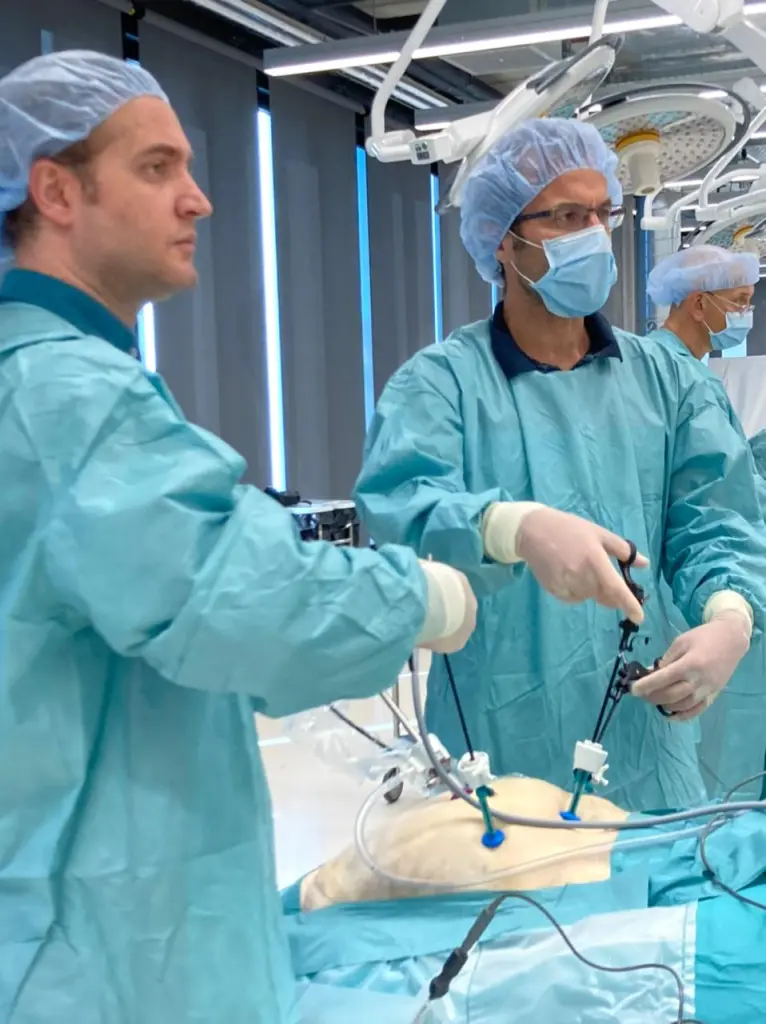
- Laparoscopic surgery