
Prof. Dr. Cihan
Kaya
Kadın Hastalıkları, Doğum ve Tüp Bebek Uzmanı
Harbiye Mah. Teşvikiye Cad. Dilek Apt. No:9 Kat:2 D:8 Nişantaşı Şişli İstanbul

Prof. Dr. Cihan Kaya Kimdir?


1984 yılında Mersin-Tarsus'ta doğan Prof. Dr. Cihan Kaya, Kadın Hastalıkları, Doğum ve Tüp Bebek alanında Türkiye'nin önde gelen uzmanlarından biridir.
Çukurova Üniversitesi Tıp Fakültesi'nden mezuniyet
Bakırköy Dr. Sadi Konuk EAH — Kadın Hastalıkları ve Doğum İhtisası
IRCAD-Strasburg İleri Düzey Laparoskopik Cerrahi Sertifikası
European Board & College of Obstetrics and Gynaecology Sertifikası · Belçika'da vNOTES eğitimi — Türkiye'deki ilk uygulayıcı
Tüp Bebek Eğitimi tamamlandı · Doçent ünvanı
ISON Level-1 / Level 2 Nöropelvioloji Sertifikası
İstanbul Aydın Üniversitesi Tıp Fakültesi Profesör kadrosu · Harvard Üniversitesi Beslenme ve İyilik Hali eğitimi · Özel klinik kuruluşu
Tedavi Alanlarımız
Kadın sağlığına dair en ileri tedavi yöntemleri ile hastalarımıza hizmet vermekteyiz.
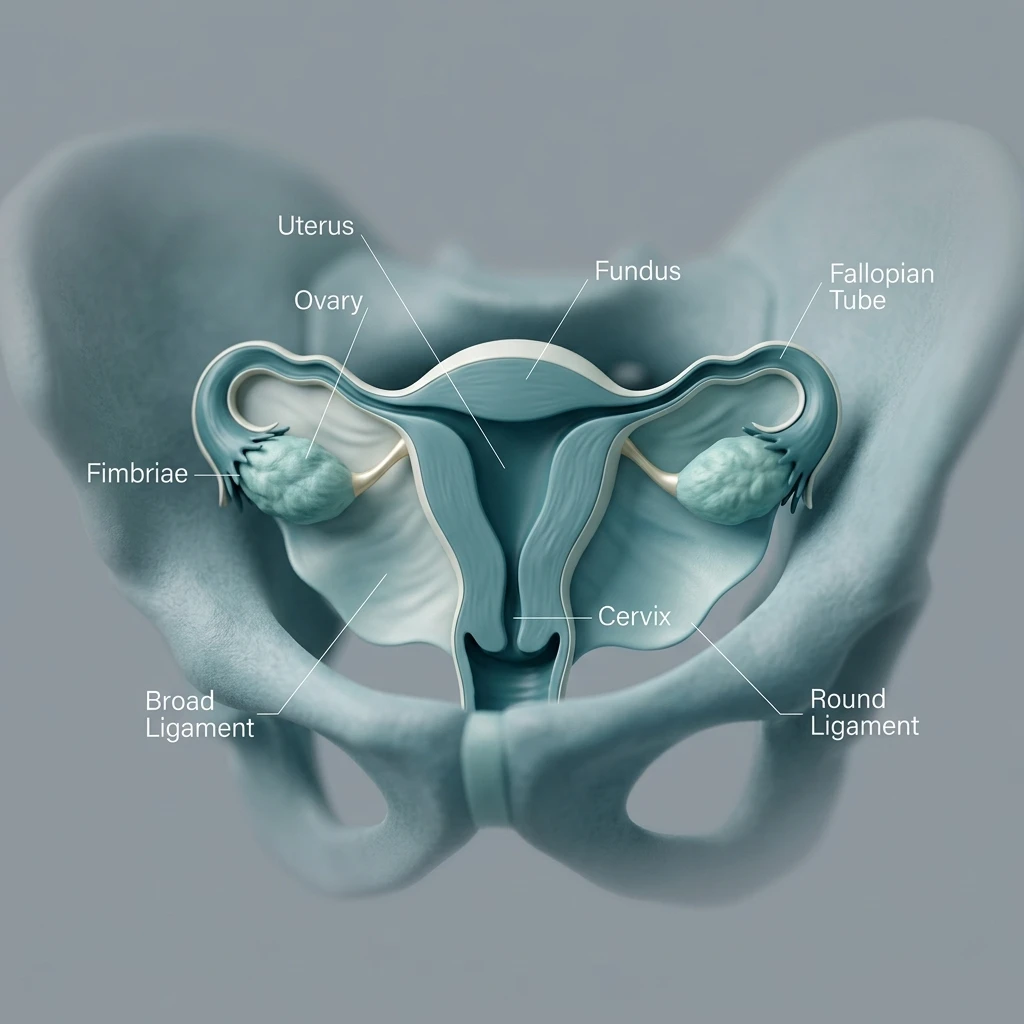
Endometriozis
Çikolata kisti tedavisinde laparoskopik cerrahi ve medikal tedavi seçenekleri ile kapsamlı yaklaşım.
Detaylı Bilgi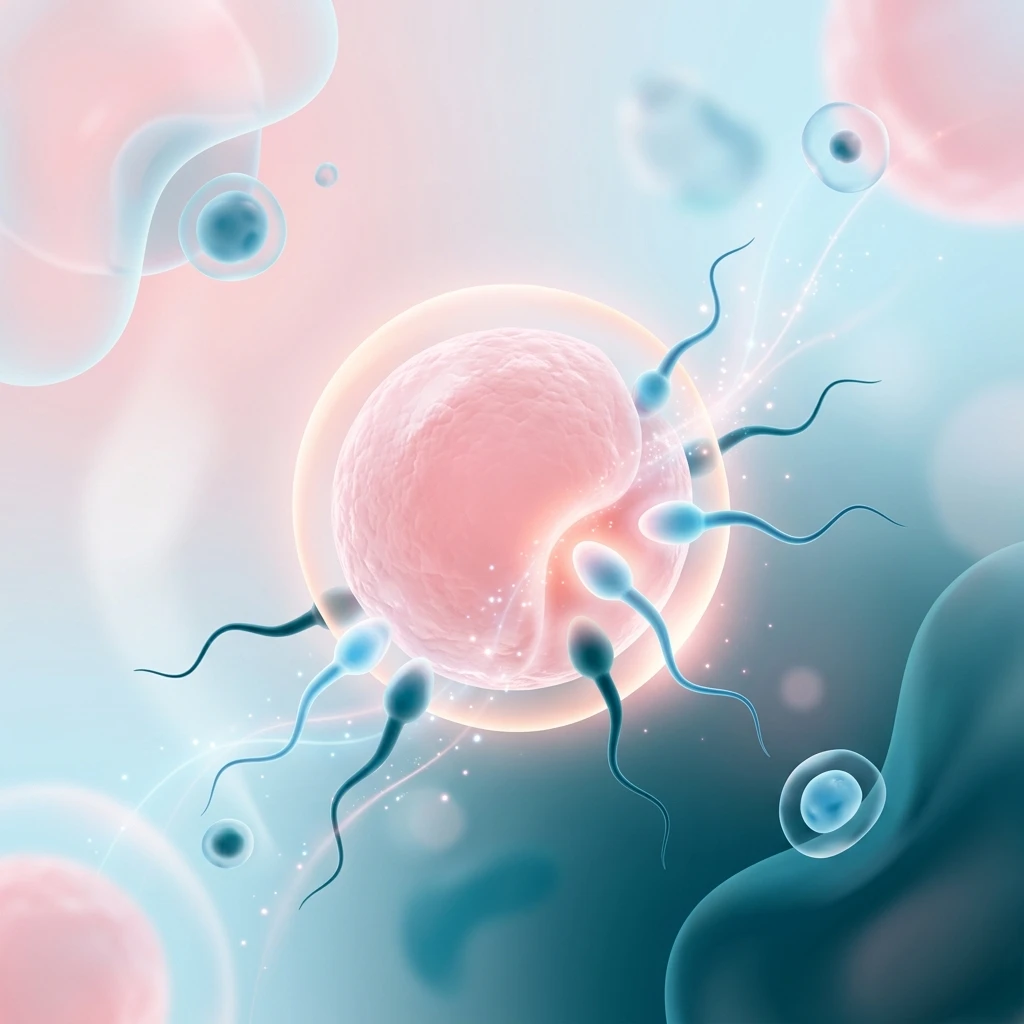
Tüp Bebek
Gelişen laboratuvar teknolojileri ile yardımcı üreme tedavileri ve IVF uygulamaları.
Detaylı Bilgi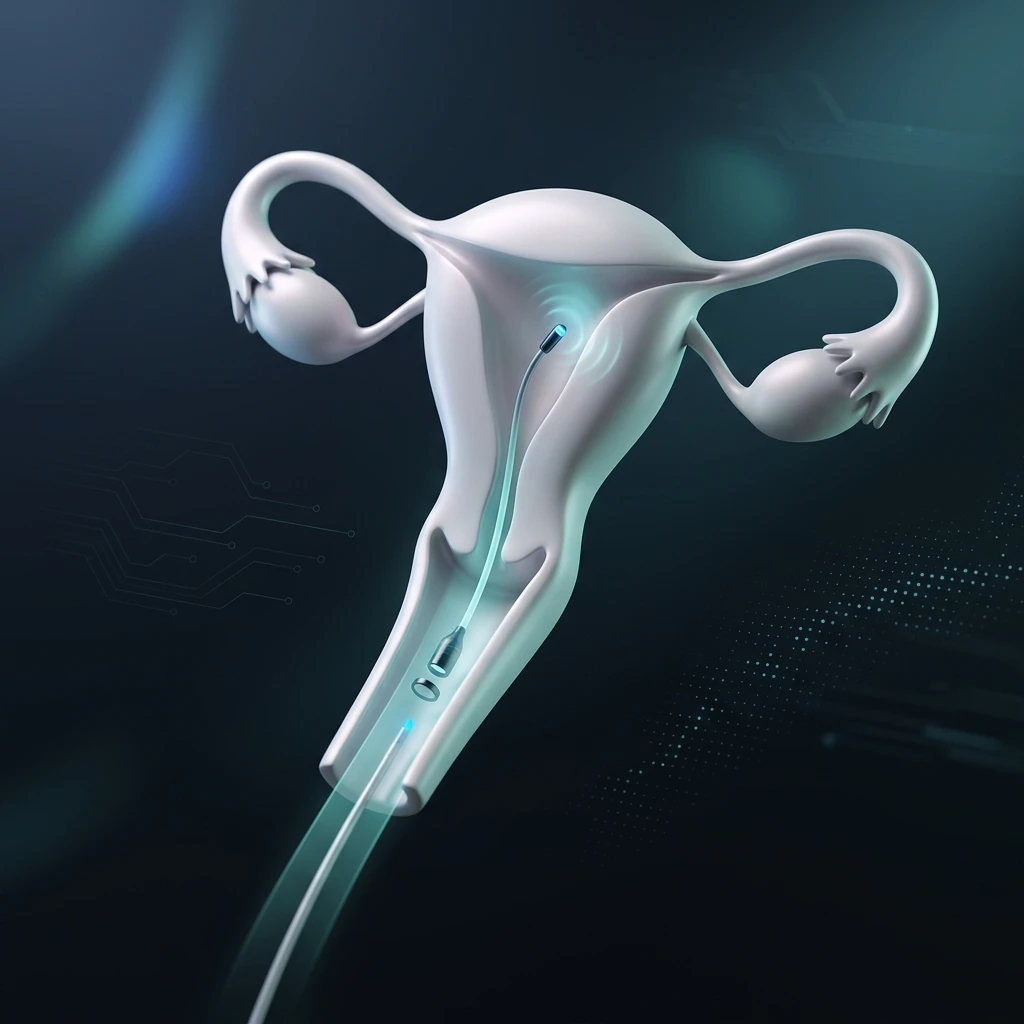
vNOTES (İzsiz Ameliyat)
Karın bölgesinde hiçbir kesi yapılmadan gerçekleştirilen minimal invaziv cerrahi yöntemi.
Detaylı Bilgi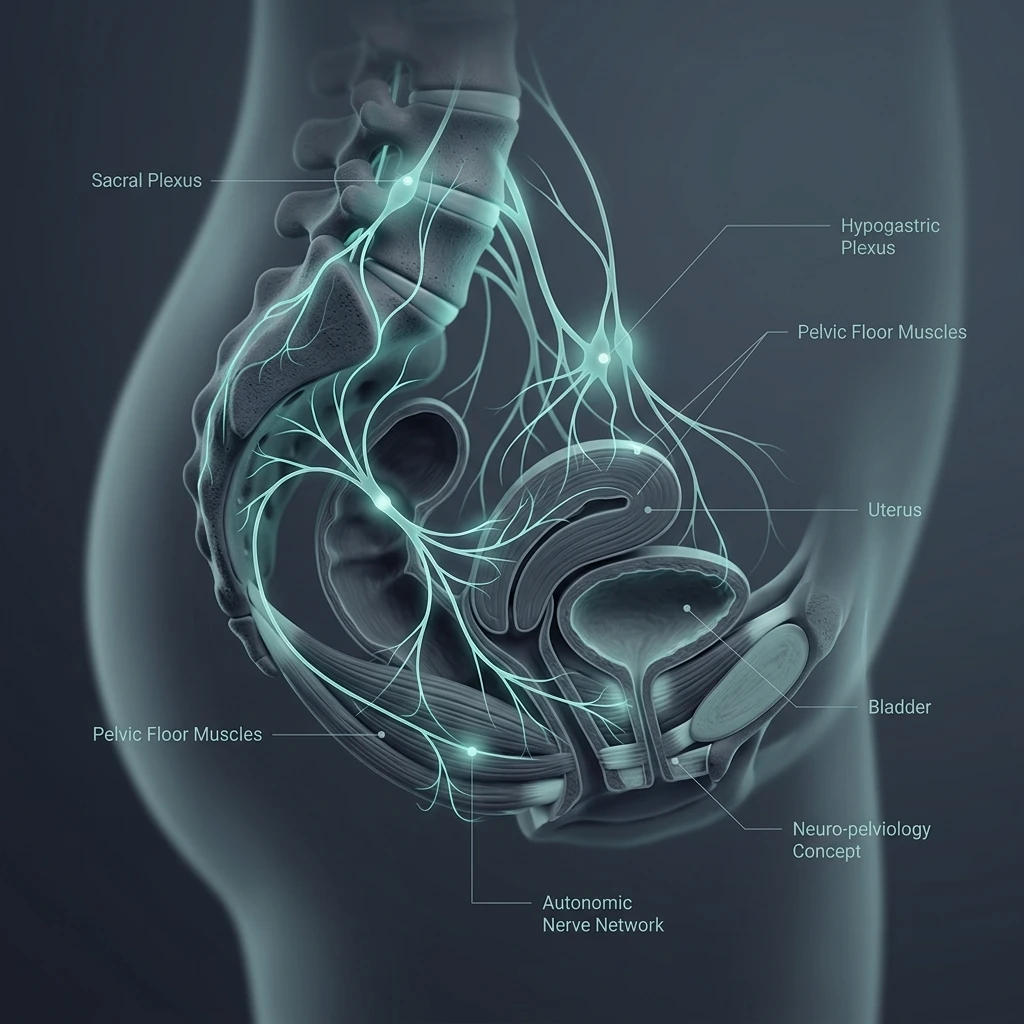
Nöropelvioloji (Kronik Pelvik Ağrı)
Pelvik bölgedeki sinir hasarlarının tanı ve tedavisinde uzman yaklaşım.
Detaylı Bilgi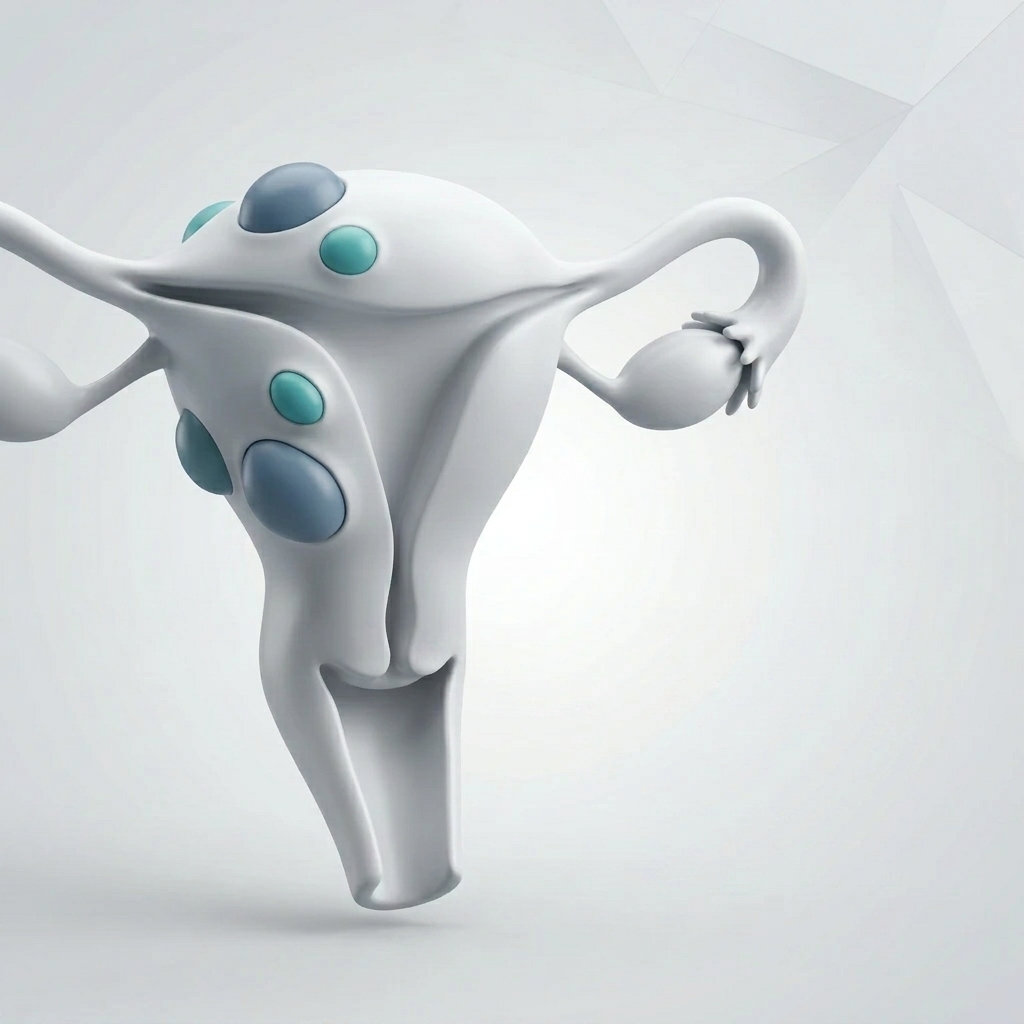
Miyomlar
Miyom tedavisinde laparoskopi, histeroskopi ve miyom ablasyonu seçenekleri.
Detaylı Bilgi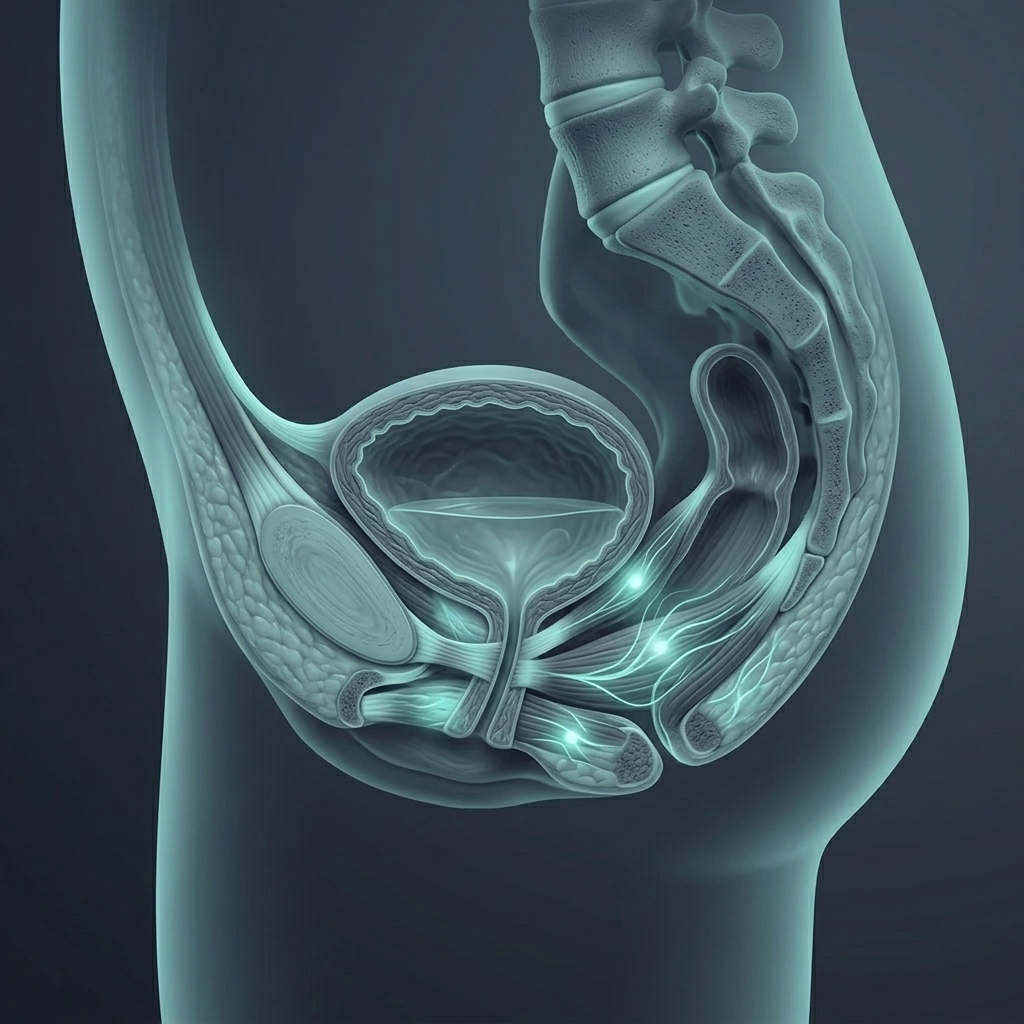
Ürojinekoloji
İdrar kaçırma, mesane sarkması ve pelvik taban bozukluklarının cerrahi ve konservatif tedavisi.
Detaylı Bilgi
Genital Estetik
Labiaplasti, vajinal gençleştirme ve genital bölge estetik uygulamaları.
Detaylı Bilgi YouTube Kanalımız
Östrojen Tipleri Nelerdir?

Östrojen Dominansı Nedir?
Adet Gecikmesi Nedenleri

Kadınlarda Kasık Ağrısı Nedenleri
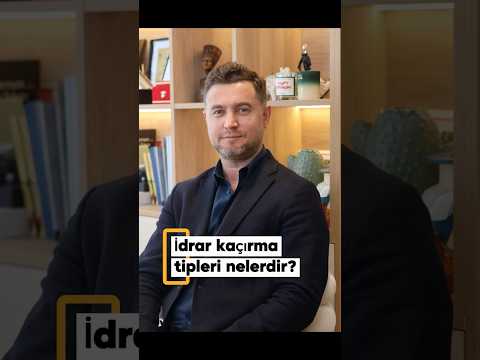
İdrar Kaçırma Tipleri Nelerdir?
NOTES Symposium
Pelvic Anatomy
Deep Infiltrating Endometriosis
Laparoscopic Hysterectomy + BSO
Recurrent Ectopic Pregnancy
VALS Sacrohysteropexy
Gasless Laparoscopy
Fitz Hugh Curtis Syndrome
Laparoscopic Tuboplasty
VaNOTES Hysterectomy BSO
Endometriosis J-Plasma Kistektomi
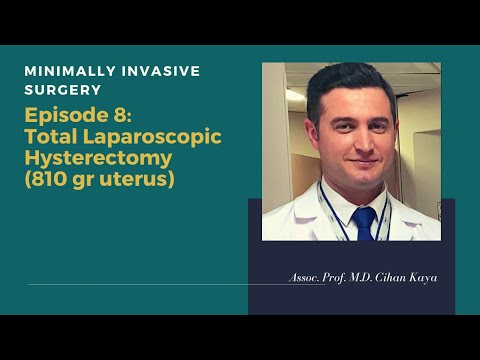
TLH — Huge Fibroid (810 gr)
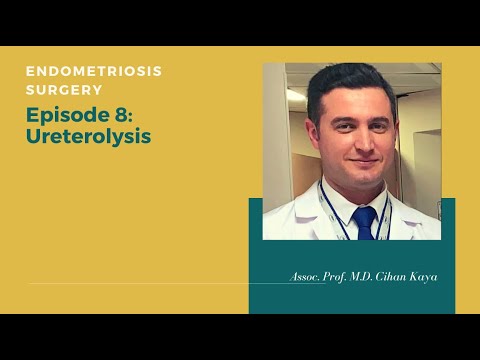
Ureterolysis (Çikolata Kisti)
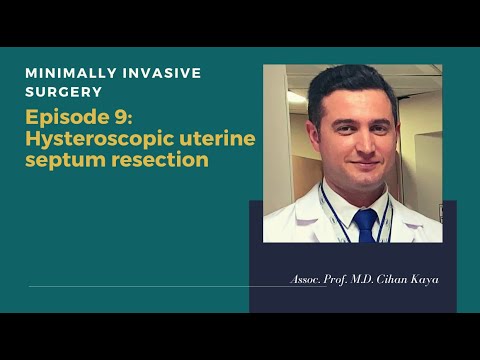
Histeroskopi — Septum Rezeksiyonu
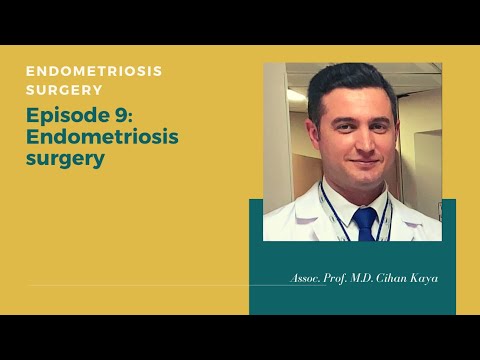
Endometriozis (Çikolata Kisti)
Lap Hysterectomy — 980 gr Uterus
Uterine Artery Clips + Myomectomy
NOTES Ectopic Pregnancy
TVNOTES Hysterectomy
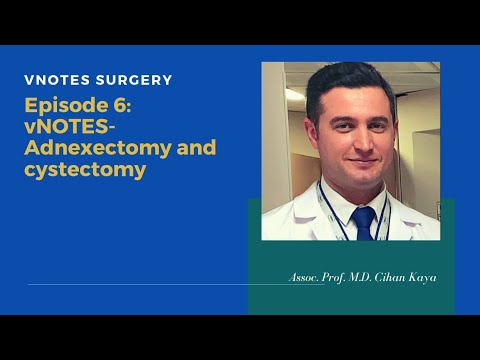
NOTES Adnexectomy via Natural Orifice
Bilginin Paylaşıldıkça Değer Kazandığına İnanıyoruz
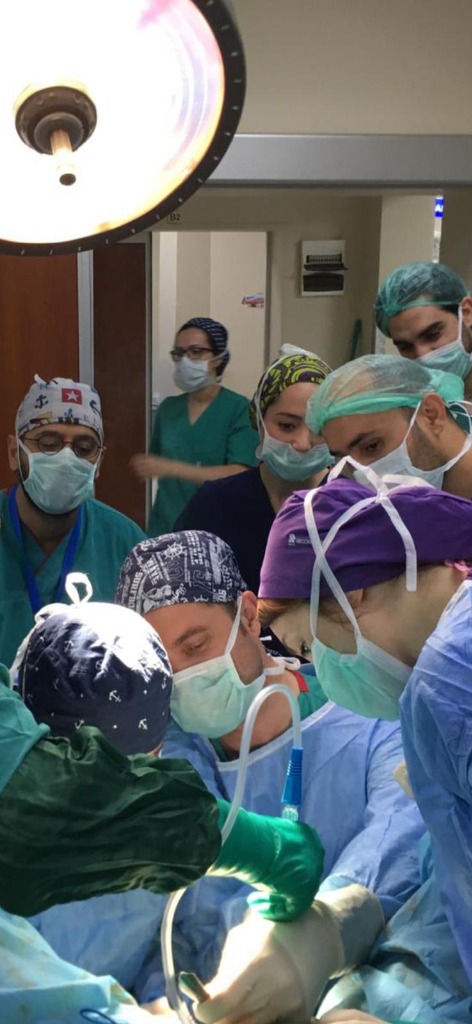
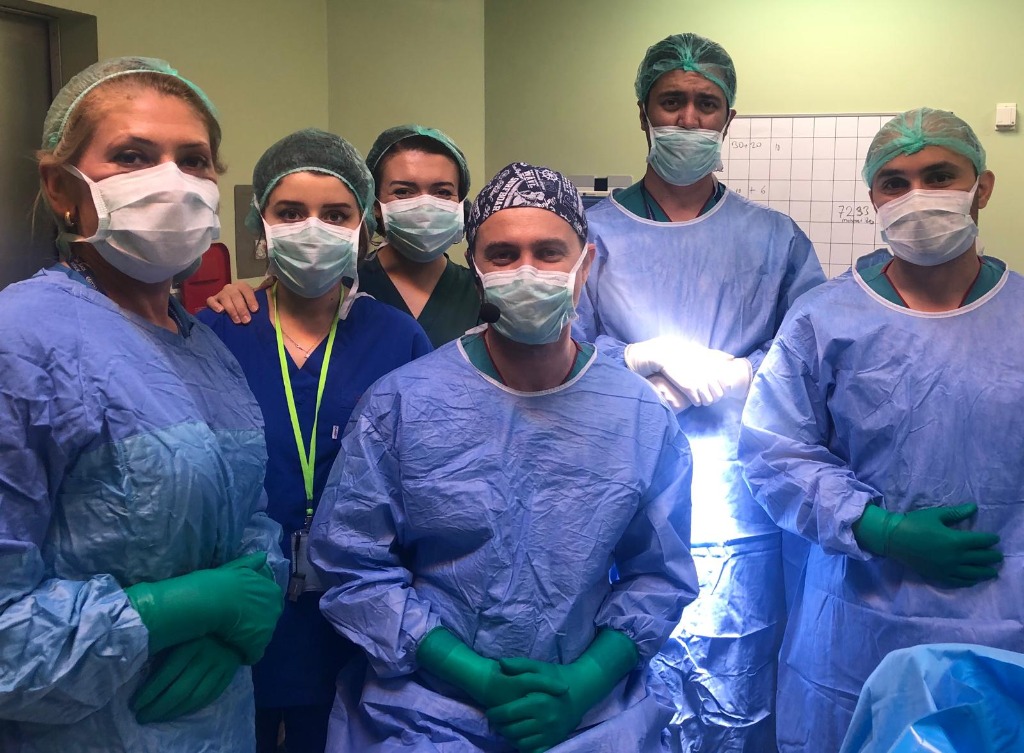
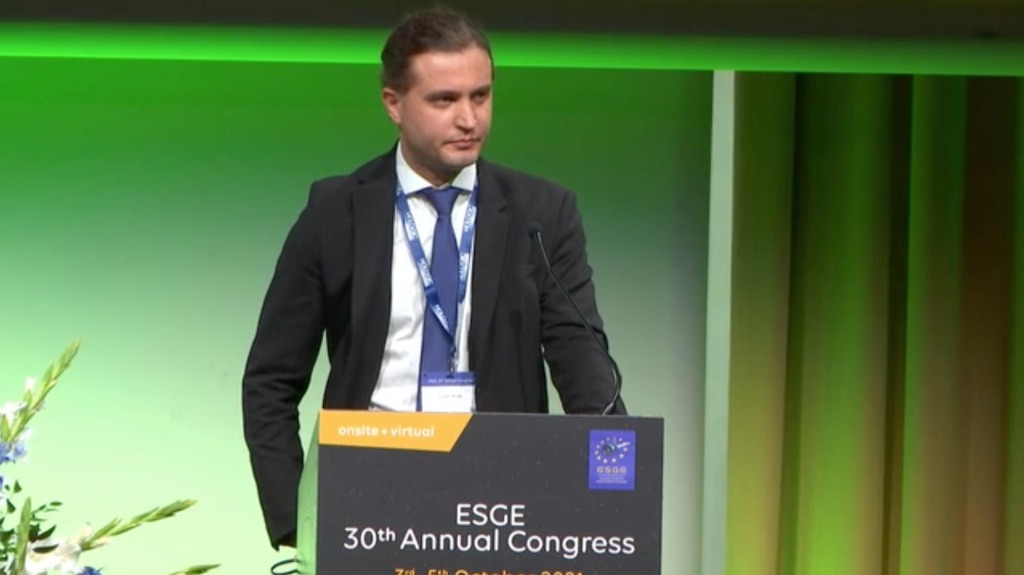
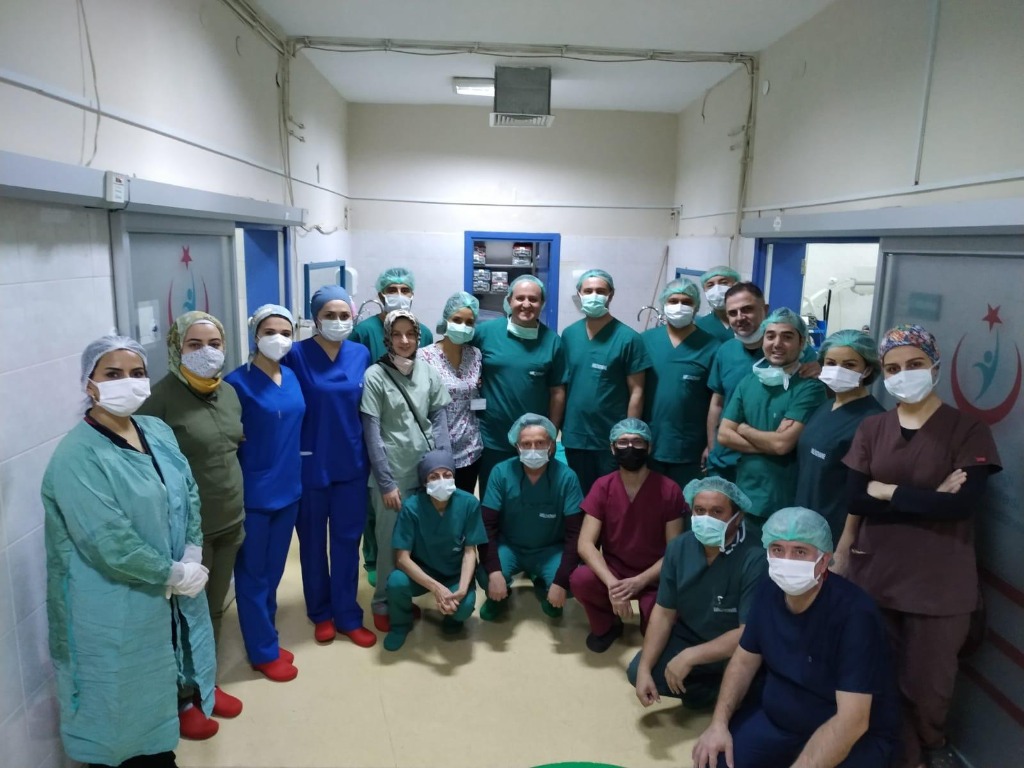
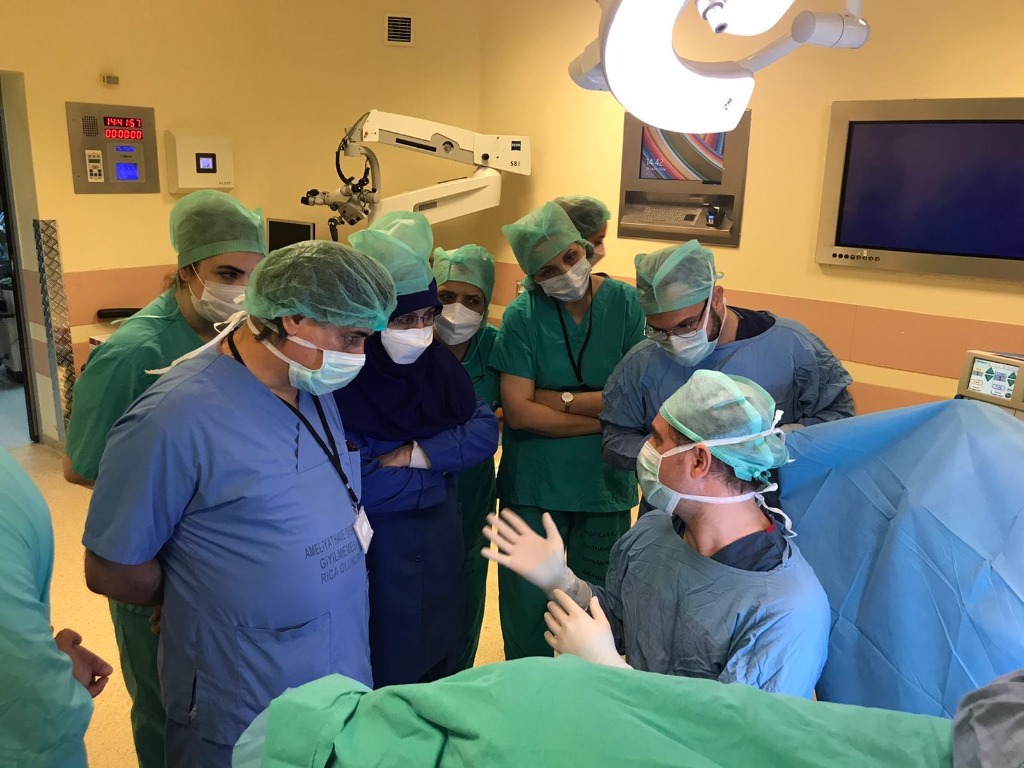
Yıllardır Türkiye’de ve uluslararası platformlarda düzenlediğimiz kurslar, workshoplar, canlı cerrahi etkinlikleri ve kadavra eğitimleri ile yüzlerce meslektaşımızın minimal invaziv cerrahi alanındaki bilgi ve becerilerini geliştirmelerine katkı sağladık. vNOTES, laparoskopi, robotik cerrahi, urojinekoloji ve pelvik anatomi başta olmak üzere birçok alanda teorik ve uygulamalı eğitim programları düzenlemeye devam ediyoruz.
Bu sayfada geçmiş eğitimlerimizden kareleri ve birlikte oluşturduğumuz değerli öğrenme ortamlarını görebilirsiniz.
Siz de gelecekte düzenleyeceğimiz kurslar, hands-on eğitimler ve bilimsel etkinliklerde yer almak; deneyimlerinizi geliştirmek ve güncel cerrahi teknikleri uygulamalı olarak öğrenmek isterseniz, yaklaşan eğitim programlarımızı takip edebilir veya bizimle iletişime geçebilirsiniz.
Birlikte öğrenmeye, üretmeye ve cerrahinin geleceğini şekillendirmeye devam ediyoruz.
Sıkça Sorulan Sorular
Endometriozis (Çikolata Kisti) nedir?
Endometriozis, rahim iç tabakasında bulunan hücrelerin rahim dışında bulunması ile oluşan östrojen hormonu ile ilişkili bir hastalıktır. Üreme çağındaki her on kadından birinde görüldüğü bildirilmiştir. Ağrılı adet, cinsel birliktelik sırasında ağrı, sürekli kasık ağrısı ve çocuk sahibi olamama gibi belirtilere yol açabilir.
Tüp bebek tedavisi kimlere uygulanır?
35 yaşın altında 1 yıl ve 35 yaşın üstünde 6 ay süresince haftada en az 2-3 kez düzenli, korunma olmadan, cinsel birliktelik olmasına rağmen çocuk sahibi olunamadığı durumlarda tüp bebek tedavisine başvurulmalıdır.
vNOTES (izsiz ameliyat) nedir?
vNOTES, karın bölgesinde hiçbir kesi yapılmadan vajinal yoldan gerçekleştirilen minimal invaziv cerrahi yöntemidir. Daha az ağrı, daha kısa iyileşme süresi ve iz bırakmama gibi avantajları vardır. Prof. Dr. Cihan Kaya, bu tekniğin Türkiye'deki ilk uygulayıcısıdır.
Miyomlar kanserleşir mi?
Miyomlar çoğunlukla iyi huylu tümörlerdir. Ancak özellikle ileri yaşlarda hızlı büyüyen, ağrılı miyomlar kanser yönünden araştırılmalıdır.
Nöropelvioloji ile hangi hastalıklar tedavi edilir?
Nöropelvioloji; sürekli pelvik ağrı, idrar kaçırma, kabızlık, ağrılı cinsel birliktelik, bacak ağrıları, yürüme bozuklukları gibi pelvik bölgedeki sinir hasarlarından kaynaklanan sorunların tanı ve tedavisini kapsar.
Tüp bebek tedavisi menopoza erken girmeye neden olur mu?
Hayır. Tüp bebek tedavisinde yumurta uyarımı sırasında, o döngüde zaten kaybolacak olan yumurtalar kurtarılarak kullanılır. Dolayısıyla yardımcı üreme tedavileri menopoza girmeyi hızlandırmaz.
Bize Ulaşın
Randevu almak veya bilgi edinmek için aşağıdaki iletişim kanallarından bize ulaşabilirsiniz.
Randevu & Telefon
0542 421 84 48E-posta
cihan.kaya@drcihankaya.comÇalışma Saatleri
Pazartesi — Cumartesi: 09:00 – 18:00